- 1502 S Texas Ave, Bryan, TX 77802
- Mon to Sun: 9am - 7pm
Shade-EZ installs ceramic window tint for vehicles in Bryan, College Station, and surrounding areas. Ceramic film can help reduce heat and glare while adding a clean finish to your vehicle. Send your vehicle details through the form to start your quote, or call the shop.
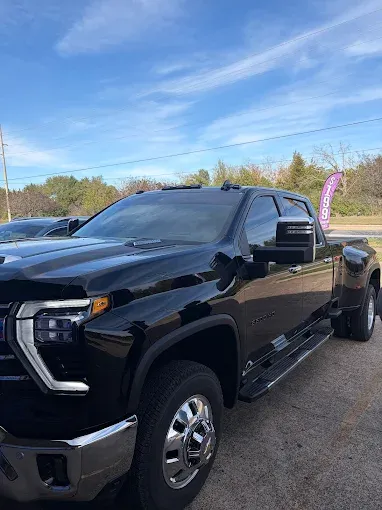
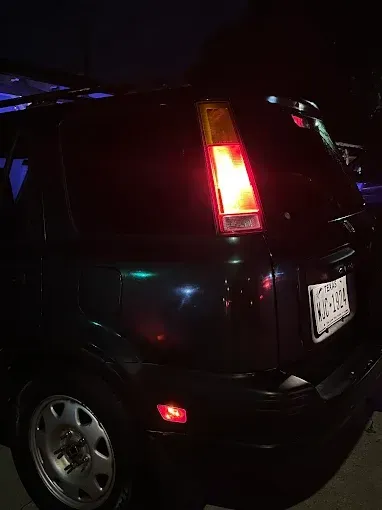
Bryan-College Station averaged 90.2°F in July 2023, making it the second-hottest July on record, with 24 days reaching 100°F or higher, according to KBTX. That kind of summer heat can make the glass in your vehicle feel noticeably warmer, especially during daily drives around Bryan and College Station.
To help manage that heat and glare, Shade-EZ installs HITEK ceramic film for local drivers. Our team can discuss available shades based on the look you want, your comfort during sunny drives, and the level of visibility you prefer at night. Your vehicle and driving habits help guide the recommendation.
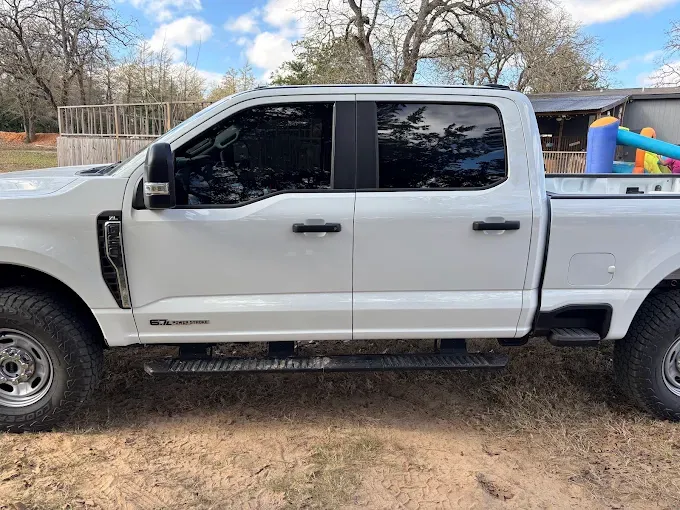
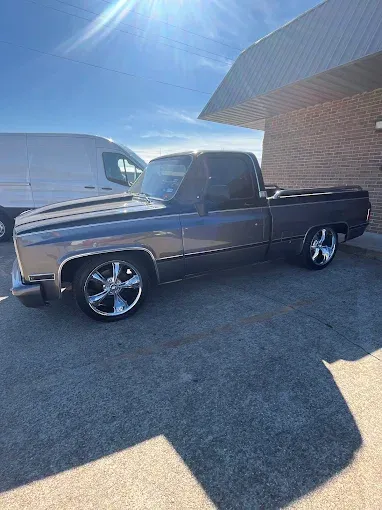
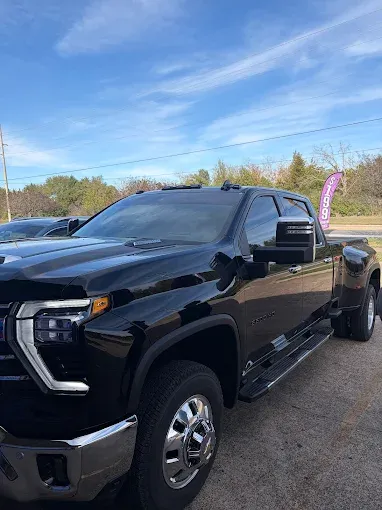
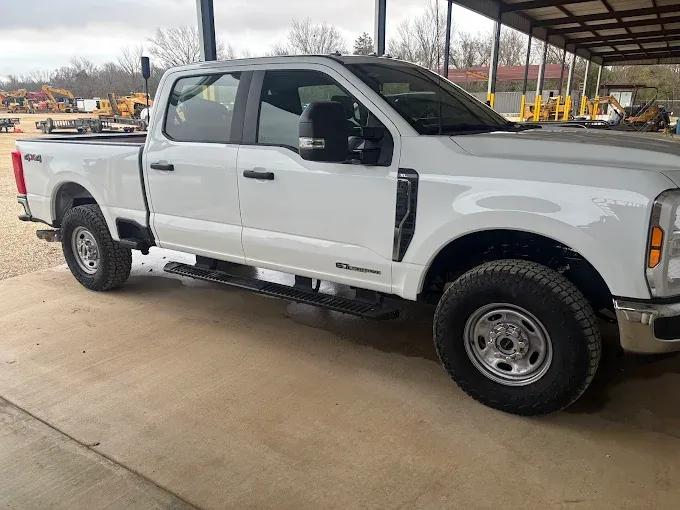
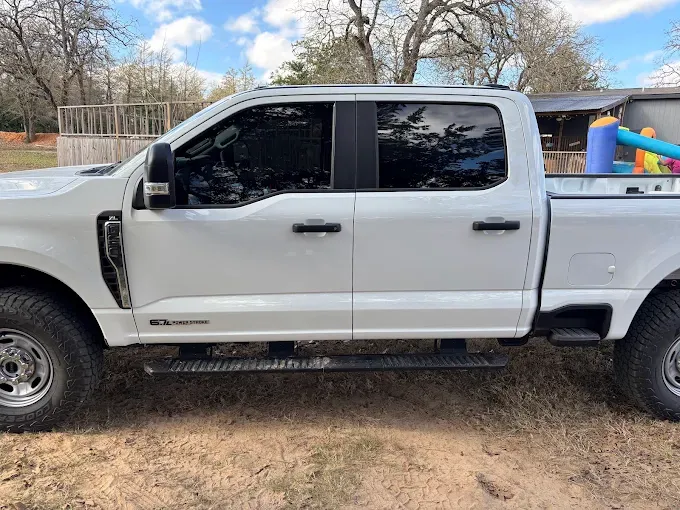
That starts with knowing your vehicle and the glass you want covered. Teslas, exotics, trucks, and SUVs have different window shapes and sizes, so send us the year, make, model, and windows you want tinted. Mention any existing film and your preferred shade so the team can prepare an accurate quote.
Choose the coverage that fits your vehicle and your tinting needs. You can start with the front two windows, cover the rear glass, tint the full vehicle, or add a windshield visor strip. Pricing is based on your vehicle and selected coverage.
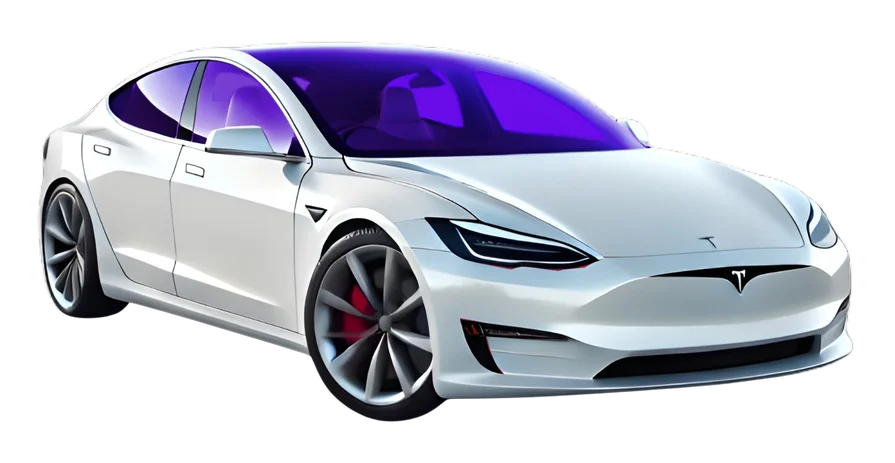
Cover the front and rear door windows plus the rear glass with matching film for a consistent look throughout the vehicle. This option works well for daily drivers, family SUVs, trucks, and anyone wanting complete side and rear coverage.
Package includes:
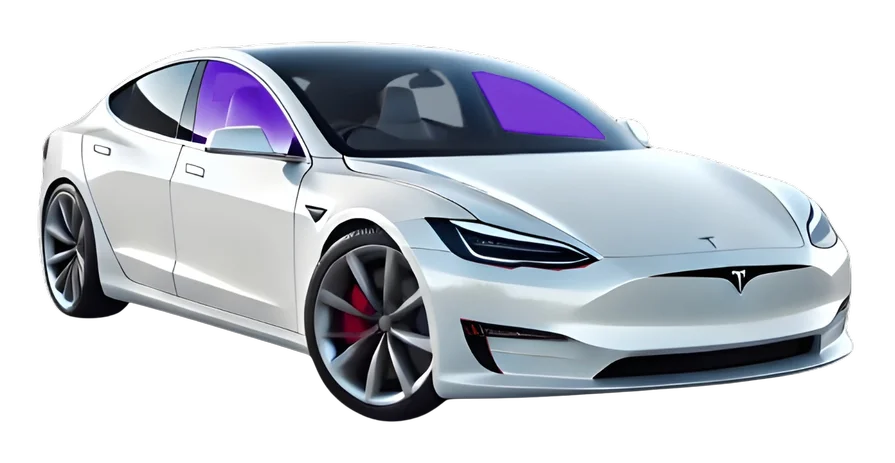
Tint the driver and front passenger windows for a simple starting point. This is a popular choice for vehicles with factory rear privacy glass or owners who want to add film to the front side windows while keeping the rear unchanged.
Package includes:
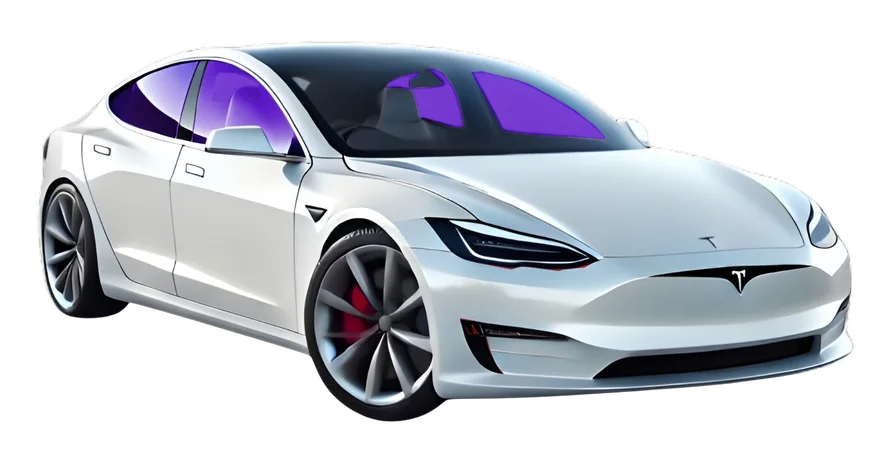
Cover the rear door windows and rear glass to give the back of your vehicle a more consistent tinted appearance. This package can also be combined with Front Two Window Tint to complete the side and rear glass.
Package includes:
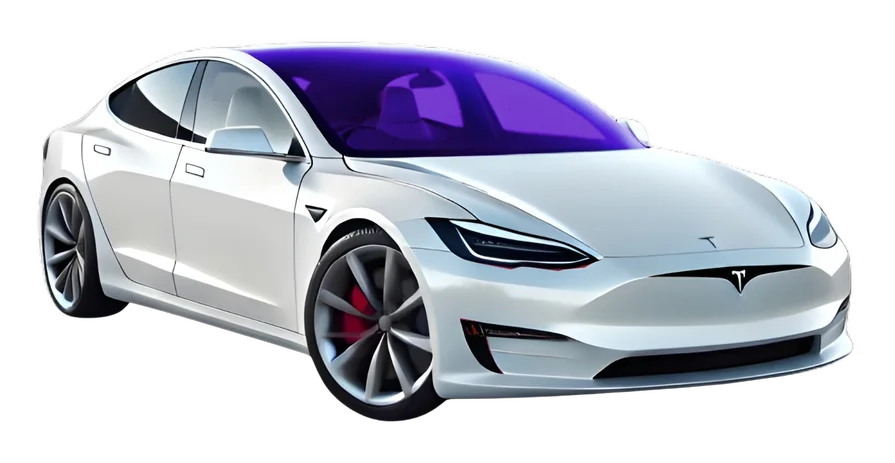
Add a film band across the upper portion of the windshield to help soften sunlight entering at eye level. The strip is installed within the permitted area, with the main windshield view kept clear.
Package includes:
HITEK offers several ceramic film lines, with differences in heat rejection, appearance, construction, and available shades. Infrared (IR) rejection shows how much infrared energy the film rejects, but the published measurements differ between product lines, so the figures below should not be treated as a direct ranking.

Infrared Heat Rejection: Up to 96% at 1025nm
Ceramic Ultra is the flagship ceramic line, built for drivers looking for strong heat control across a broad shade range.

Infrared Heat Rejection: Up to 90%
Ceramic Plus offers strong heat rejection with a range of shades for drivers looking for a balance between performance and appearance.
Infrared Heat Rejection: Up to 78% at 5% VLT, measured at 1025nm
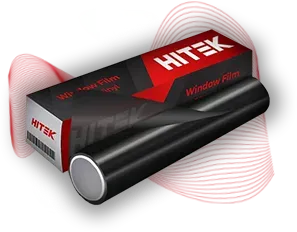
Ceramic Black combines a dyed base with ceramic particles in a two-ply, 2.0 mil construction. Its shade range focuses more heavily on a dark appearance.
Infrared Heat Rejection: Up to 75% at 5% VLT, measured from 740 to 2500nm
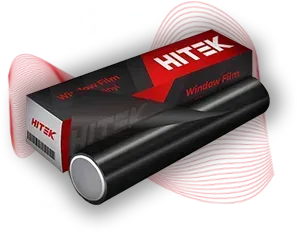
Ceramic IR uses a carbon-based film with an infrared-rejection coating. HITEK describes its color as neutral, making it a suitable option for drivers who prefer a subtle appearance.
The heat-rejection figures above come directly from the published specifications for each line. Because the measurement methods and wavelengths differ, they are not a like-for-like ranking. Our team can help you compare the exact film and shade available for your vehicle.
Tell us which windows you plan to tint and what you want from the film, and we will narrow HITEK’s ceramic lines to the ones worth considering.
5% | 20% | 35% | 50% | 70%
Ask which shades are currently available for your vehicle.
Ceramic and nano ceramic tint options give Bryan drivers choices for heat reduction, glare control, and UV protection. The team can explain the differences between film options and help you choose based on your vehicle and daily driving needs.
Founder Robert Lund stays involved in the business and has built the shop around precision, quality, and consistent workmanship. That owner-led approach keeps the focus on doing clean work and giving each vehicle the attention it deserves.
Good tint should look clean from the inside and outside. The team takes care with film placement, edges, and glass preparation, then checks the finished installation before handing the vehicle back to you.
The goal is simple: give every customer a tint installation they feel good about. From choosing the right film to reviewing the finished work, the team focuses on clear communication, careful service, and a result you can enjoy every day.
At the visit, you and the installer go over which windows to tint, how the vehicle is used and which ceramic film and shade suit it. Questions about coverage or shade get answered here, so the plan is settled before any film is cut.
Each window is wet with slip solution, then a hard card is drawn across the glass to lift bonded grime from the inside surface. Lint-free towels finish the wipe-down. Specks trapped under film stay visible for good, so a clean pane sets the quality of the whole job.
Film is cut from the roll to the pattern of each window, with extra allowance left on curved panes such as rear glass. The installer checks each cut piece against its window before it goes on, so the edges follow the shape of the glass.
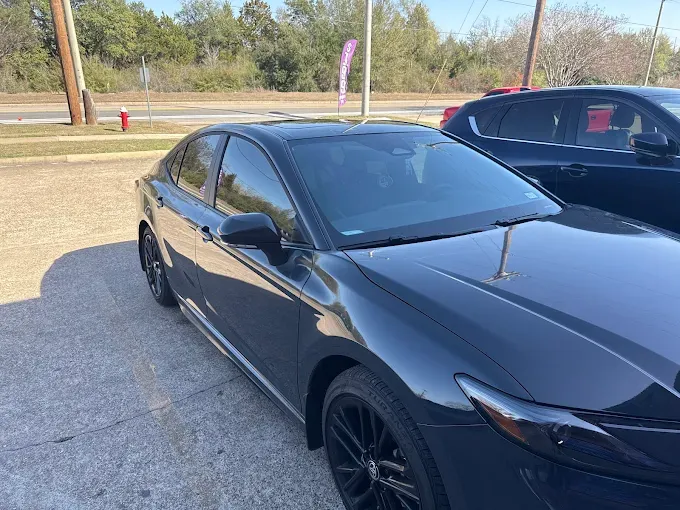
The installer lays the film onto the wet glass and pushes the slip solution out with squeegees, working from the center to the edges. On curved glass a heat gun shrinks the film so it lies flat without creases, and the edges are squeegeed once more.
With the film down, the installer checks every window under an inspection light for dust, lifted edges and trapped moisture. You look the car over together, ask any questions, and drive away knowing how each window was checked.
Drivers across Bryan and College Station, in their own words. Read more on our Google Business Profile.
Whatever the coverage, the first step is the same: a quote built around your vehicle’s glass. Send the request and the shop will reply with a recommended film and shade for the windows you choose.
Three sourced numbers help explain where ceramic film earns its place on a Brazos Valley vehicle.
KBTX reported in 2024 that the first average 90 degree high of the year is expected around May 29 in Bryan-College Station. The reading is an average, so some years run earlier and some later. That puts heat on parked cars weeks before summer officially starts, so a spring appointment gets film on the glass before the long run of hot days.
The National Weather Service Houston/Galveston office publishes 1981 to 2000 normals for College Station, taken at Easterwood Airport. Normal daily highs run near 95 degrees in July and 97 in August. These are long-term normals rather than forecasts, and because they are averages, plenty of individual afternoons run hotter, which is worth remembering when you pick a shade.
The Census Bureau’s American Community Survey for 2020 to 2024 puts the mean commute for Bryan workers at 18.5 minutes. The figure covers the trip one way, so a workday round trip runs roughly double that. Time behind the glass every day is the kind of exposure side-window film is meant for.
Ceramic tint is built with ceramic particles and typically rejects more infrared heat than carbon or dyed film. Carbon film uses carbon particles and usually sits in the middle on heat control and price, while dyed film is the entry option built around a dye layer.
| Film type | Construction | Heat control | Cost position | Typical fit |
|---|---|---|---|---|
| Ceramic | Ceramic particles in the film | Typically the strongest of the three | Typically the highest | The most heat control |
| Carbon | Carbon particles in the film | Typically moderate | Typically in the middle | A step up from dyed |
| Dyed | A dye layer that absorbs light | Typically basic | Typically the lowest | A darker look on a tighter budget |
This is a general category comparison. Each film line performs differently, so ask the shop how a specific line compares.
Ceramic tint pricing follows how much glass is covered, how large or complex that glass is, and which film line and shade go on it. Old film can add labor. The table sets out each factor and how it moves a quote.
| Factor | How it affects your quote |
|---|---|
| Number of windows | A full set covers more glass than a partial one, so it takes more film and time. |
| Vehicle size | Trucks, large SUVs and vans have bigger panes than a coupe or sedan, which uses more film. |
| Film line | Each ceramic line is built differently, so the line you choose can shift the price. |
| Shade | Not every shade is offered in every line, so your shade can narrow the lines open to you and move the price. |
| Existing film | Film already on a window may need to come off first, which can add time to the job. |
| Glass shape | Curved rear glass or a Tesla glass roof takes longer to fit than flat door glass. |
Texas Transportation Code 547.613 and the Texas Department of Public Safety rules in 37 TAC 21.3 limit how dark and reflective tint may be on different windows. The limits depend on the window position.
VLT stands for visible light transmission, the percentage of visible light that passes through the glass and film together. A lower percentage means a darker window, and each window has its own limit.
| Window | Minimum VLT Required | Our Recommendation |
|---|---|---|
| Windshield | Tint only above the AS-1 line, or the top 5 inches if the glass has no AS-1 line. The strip must pass at least 25% light, reflect 25% or less and not be red, amber or blue. | Ask our team |
| Front Side | At least 25% light transmission with the original glass. Reflectance 25% or less. Includes wing vents. | Ask our team |
| Rear Side | No restriction | Ask our team |
| Rear Window | No restriction if both outside mirrors show 200 feet of road behind. Otherwise at least 25% light and reflectance of 25% or less. | Ask our team |
SUVs and vans follow the same rear-side rule, and our team confirms the limits for your specific vehicle before any film goes on. Read the full Texas window tint law guide for more detail.
Ceramic film is non-metallic, so it is not the type of film that shields GPS, cell phone or radio signals. Interference is linked to high-conductivity films, which can affect antennas built into glass. If your vehicle has in-glass antennas, ask the installer about the film before it goes on.
Heat rejection depends on how the film is built, not how dark it looks. The measure to compare is total solar energy rejected, and a well-built ceramic film can control heat even in a lighter shade. A dark dyed film may look strong from outside yet reject noticeably less heat.
Tint cuts the ultraviolet light that fades dashboards, seats and trim, but no film stops fading entirely. Heat and visible light play a part too, and upholstery keeps aging on its own. Treat tint as a way to slow the process, which is a real benefit without being a guarantee.
Some films show a slight haze or a thin layer of moisture between film and glass for several days, because the water used in application needs time to leave. That is normal for many films. Lasting bubbles, dirt specks or peeling edges are the more telling signs, so raise those with your installer.
A careful installer works around the defroster lines, so tinting the rear window does not harm them when the job is done properly. Trouble comes from rough handling or scraping on the lines, not from the film. If the lines matter to you, ask how the installer protects them before the rear glass is done.


Carbon and ceramic film, warranty backed
Come by the shop at 1502 S Texas Ave in Bryan to talk through your windows in person, or call first to ask about a film line and shade you have in mind. Either way, the first step is a conversation about your vehicle.
The film adds to the darkness already in the glass, so the finished window ends up darker than the factory glass was on its own. Describe your truck or SUV to Shade-EZ at (979) 481-8468 and the team will talk through the shade for each window before a film is chosen.
A weekend car spends fewer hours in the sun, so a line chosen mainly for look and shade can make sense. A daily commuter parked outdoors all day gains more from a line with stronger heat rejection. The published infrared figures use different measurement methods, so compare total solar energy rejection (TSER) where it is listed, and ask the shop how the lines compare for your shade. Tell the shop how many hours the car sits in the sun and it can match a ceramic line.
Shade-EZ goes through the limits for each window you choose before a shade is picked. The Texas tint law section above shows the rule for every window, so list your windows on the quote form and start there.
Yes. College Station and the wider Brazos Valley are part of the area the shop serves, and the Service Area section above has the address and radius. Use the quote form or call ahead with any film questions.